
Modern Borneo Lifestyle: Where Tradition Meets Contemporary Living
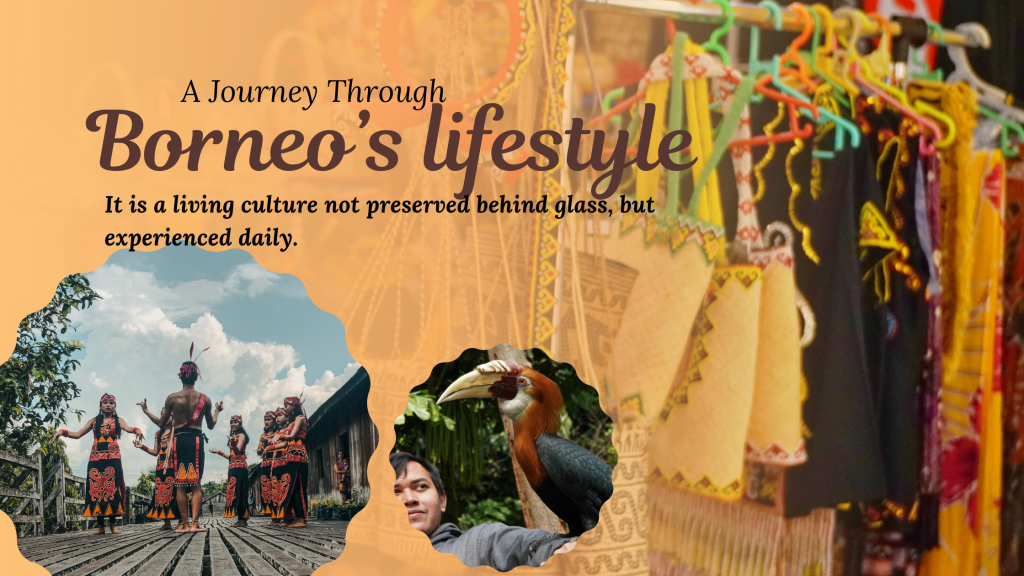
Borneo is often celebrated for its rainforests and heritage but beyond tradition lies a vibrant modern lifestyle shaped by creativity, culture, and evolving identity. Across Sarawak and Sabah, young creatives, families, and communities blend tradition with contemporary living, creating a lifestyle that feels both rooted and forward-looking.
Modern Borneo is not about leaving heritage behind it’s about carrying it into today’s world.
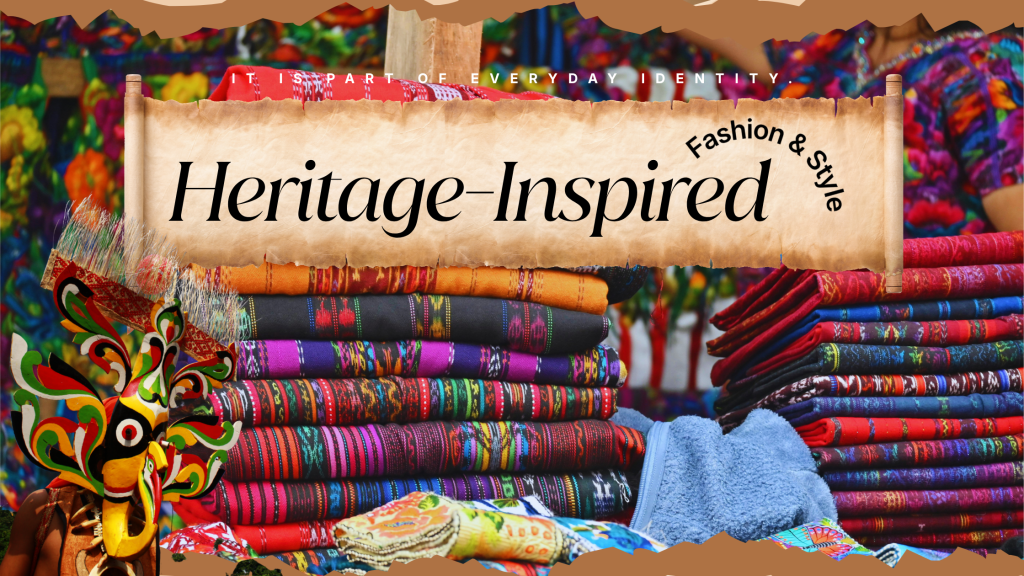
Heritage-Inspired Fashion & Style
One of the strongest fashion identities in Borneo comes from batik and ethnic-inspired designs. In Sarawak especially, batik and woven motifs are reinterpreted into modern shirts, dresses, and streetwear.
Local and regional designers such as Borneo Native and designers like Dato’ Tom Abang Saufi are known for blending traditional Sarawak inspiration with modern silhouettes for everyday wear.
Another strong example is eco-fashion designer Edric Ong based in Kuching, who uses natural dyes and traditional weaving techniques to modernise indigenous textiles.
👉 These brands show how heritage is not preserved in museums it is worn, styled, and lived.
Useful references:
- https://borneonative.com (Sarawak heritage fashion brand)
- https://www.tomabangsaufi.com (Malaysian designer from Borneo)
🧶 Indigenous Textiles & Cultural Identity
Traditional materials such as woven textiles remain a strong influence in modern fashion.
One of the most iconic is the ceremonial weaving of the Pua Kumbu, traditionally made by the Iban community. Today, its motifs inspire fashion prints, scarves, and contemporary apparel.
In both urban and rural communities, these patterns are now being adapted into modern fashion collections and cultural exhibitions, especially in Kuching’s growing creative scene.
🎨 Contemporary Designers & Creative Fashion Scene
Borneo’s creative fashion culture is growing through independent designers, studios, and cultural entrepreneurs.
In Kuching, designers like Edric Ong and local brands focus on slow fashion, sustainability, and heritage storytelling through clothing.
In Sabah, fashion is also evolving through local artisans and brands that reinterpret traditional Sabahan motifs into modern wear, often blending indigenous identity with urban style.
Useful references for inspiration:
- https://scv.com.my (Sarawak Cultural Village – traditional costume inspiration)
- https://www.marimariculturalvillage.my (Sabah cultural fashion & heritage)
- https://www.kadaiku.com (Sabah local artisan products & cultural goods)
🌏 Fashion as Modern Identity
Today, younger generations across Borneo are proudly wearing heritage-inspired fashion not only during festivals, but also in daily life at work, events, and creative spaces.
This reflects a new identity:
- rooted in culture
- expressive and modern
- globally influenced but locally grounded
Fashion in Borneo is no longer limited to tradition it is a living expression of pride and creativity.
Creative Culture & Local Expression
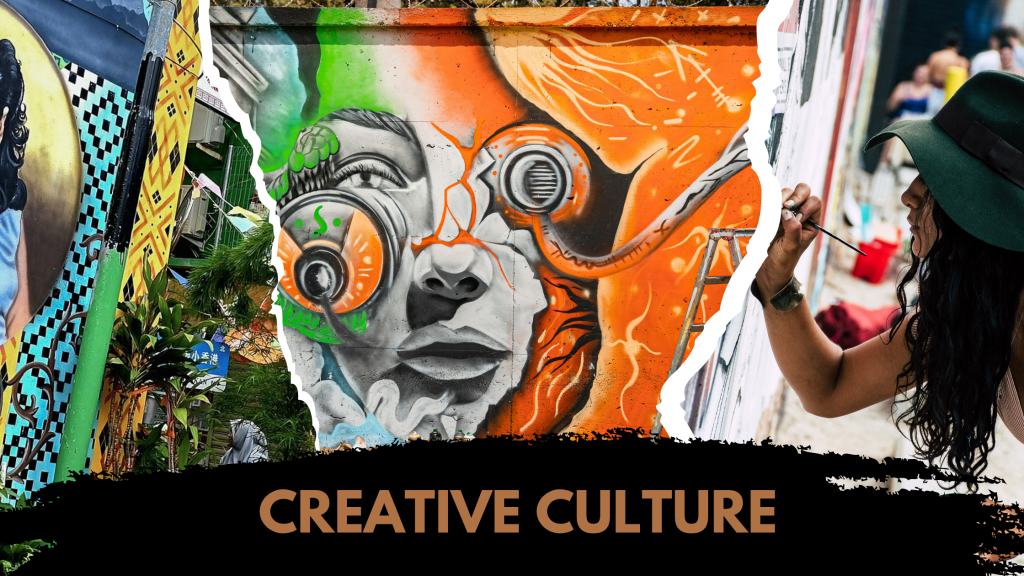
Urban centers such as Kuching and Kota Kinabalu are growing creative hubs where art, photography, digital media, and design reflect local culture through modern lenses.
Murals, independent brands, and cultural showcases celebrate Borneo narratives while speaking to younger audiences. Social media has also amplified local voices, allowing creatives to reinterpret tradition in fresh, accessible ways.
🎨 Kuching: Creative Culture & Local Expression
Street Art & Murals
Kuching's street art scene continues to grow, with murals appearing around the city centre, especially near Padungan and the Waterfront. One well-known example is the mural artwork along Jalan Padungan, including works by local artist Leonard Siaw that celebrate Sarawak's multicultural identity. The Kuching Waterfront has also seen major mural projects depicting the city's history and development.
Useful links:
Independent Creative Spaces
Kuching has a growing network of independent creative communities and studios.
- HAUS KCH community-led creative hub hosting exhibitions, workshops, and events for local artists and entrepreneurs.
- Kosong Studio independent creative studio known for branding, publishing, arts, and cultural storytelling projects.
- WOO Atelier multidisciplinary design studio showcasing contemporary Sarawak design and architecture.
🌅 Kota Kinabalu: Creative Culture & Local Expression
Street Art & Murals
Kota Kinabalu has developed a vibrant street art scene featuring murals inspired by Sabahan culture, nature, and local stories. Around Gaya Street and the city centre, visitors can find large-scale murals celebrating local identity. The Street Art & Graffiti Gallery near Suria Sabah has become one of the city's most photographed creative attractions.
Useful links:
Independent Brands & Creative Businesses
Sabah's creative economy includes local makers, artisans, designers, and cultural entrepreneurs.
- Kadaiku Sabah one of Sabah's best-known platforms for authentic local products, handicrafts, artisan foods, and cultural souvenirs.
- Creative studios and local entrepreneurs in Kota Kinabalu continue to build brands that combine Sabahan heritage with contemporary design, contributing to a modern Borneo identity.
Everyday Living with Cultural Roots
One of the most beautiful aspects of Borneo life is how culture remains part of everyday living. Across Sabah and Sarawak, traditions are not limited to museums or festivalsthey can be experienced through local food, family gatherings, community celebrations, and beloved businesses that have become part of daily life.
Sarawak's Famous Kek Lapis Tradition
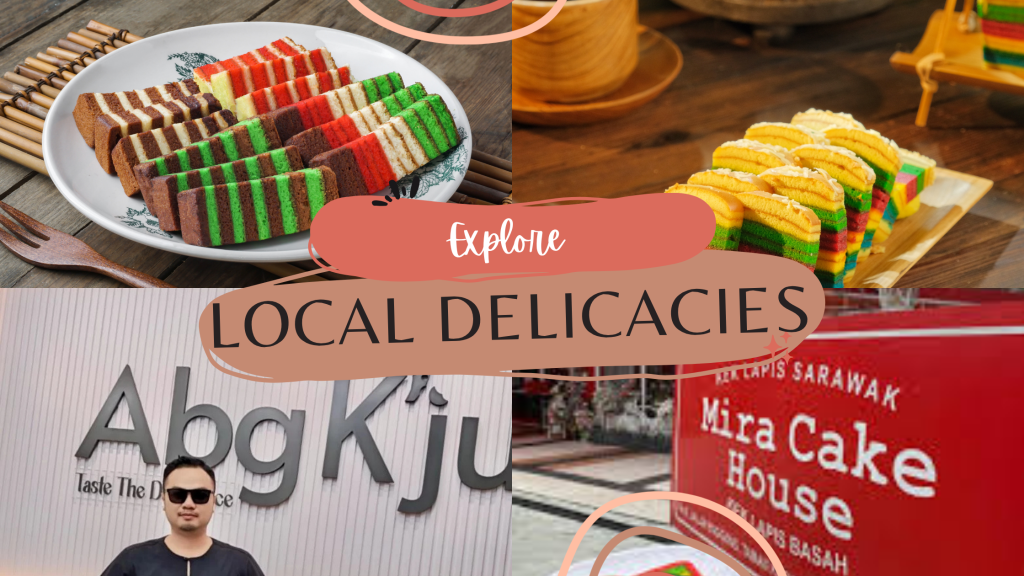
No visit to Sarawak is complete without tasting the iconic Kek Lapis Sarawak. These colourful layered cakes are often served during Hari Raya Aidilfitri, weddings, family gatherings, and festive celebrations throughout the year.
For authentic Kek Lapis Sarawak, visitors can explore:
- Mira Cake House – Known for its signature Kek Lapis Basah and over 50 varieties of traditional Sarawak layer cakes.
- Abg K'ju Cake House – A popular Sarawak bakery famous for creative and premium kek lapis creations, including luxury editions inspired by local heritage.
These local bakeries help preserve Sarawak's culinary traditions while introducing them to new generations and visitors from around the world.
Experiencing Authentic Sabah Flavours
In Sabah, food is deeply connected to indigenous heritage and community life. Traditional dishes continue to be enjoyed by families and are increasingly sought after by travellers looking for authentic experiences.
Some iconic Sabahan dishes include:
- Hinava – A refreshing Kadazan-Dusun delicacy made from fresh fish cured with lime, ginger, and local ingredients.
- Linopot – Traditional rice wrapped in leaves, originally prepared for farmers and travellers, and still enjoyed today during cultural celebrations and local gatherings.
To learn more about traditional Sabahan food:
A Lifestyle Rooted in Community
Whether sharing Kek Lapis during Hari Raya in Sarawak, enjoying Hinava during Kaamatan celebrations in Sabah, or gathering with family over local dishes, Borneo's traditions continue to thrive in modern life. These everyday experiences reflect a lifestyle where heritage remains meaningful, creating strong connections between generations while welcoming visitors to experience the true spirit of Borneo.
Explore Borneo at Your Own Pace
The best way to experience Borneo's culture is beyond the tourist attractions through its food, people, and local communities.
Planning a trip around Sabah or Sarawak? Contact us to rent a car and discover hidden food spots, cultural attractions, and local experiences at your own pace.
👉 Contact Us to Rent a Car 🚗
Identity, Community & Modern Pride
Borneo's identity is not defined by a single culture, language, or tradition. Instead, it is shaped by the diversity of its people, where indigenous communities, Malays, Chinese, Indians, and many others live, work, and celebrate together. Across Sabah and Sarawak, younger generations continue to embrace their heritage while expressing it through modern lifestyles, creative industries, community initiatives, and cultural events.
Today, being proud of Borneo means celebrating multicultural harmony, supporting local businesses, preserving traditions, and sharing stories that reflect the unique character of East Malaysia.
Celebrating Cultural Identity Through Festivals
Modern festivals continue to strengthen community bonds while introducing culture to younger generations.
Useful references:
- Rainforest World Music Festival One of Borneo's most recognised cultural festivals, blending traditional and contemporary music.
- Borneo Cultural Festival (Sibu) A celebration of multiculturalism, food, arts, and heritage that has become a symbol of unity and community pride in Sarawak.
- Sarawak Tourism – Festivals of Borneo Useful resource for contemporary and traditional festivals across Sarawak.
Community Through Living Heritage
Many cultural attractions in Sabah and Sarawak are not museums in the traditional sense they are living spaces where communities actively preserve and share their heritage.
Useful references:
- Sarawak Cultural Village Showcases the lifestyles and traditions of Sarawak's major ethnic groups, including Iban, Bidayuh, Orang Ulu, Melanau, Malay, Penan, and Chinese communities.
- Mari Mari Cultural Village A living heritage destination where visitors experience the traditions of Sabah's indigenous communities through storytelling, food, and cultural demonstrations.
Supporting Local Creativity & Pride
Modern pride is also reflected in how local communities support artists, entrepreneurs, and creative projects.
Useful references:
- HAUS KCH Community-driven creative hub in Kuching.
- Kosong Studio Independent Sarawak creative studio focused on design, storytelling, and culture.
- Kadaiku Sabah Platform promoting authentic Sabahan products, artisans, and local businesses.
- Miri Mural Festival Feature Example of how public art is used to strengthen community identity and creative expression.
Wearing Heritage with Pride
Across Sabah and Sarawak, heritage-inspired fashion is becoming increasingly popular among younger generations. Traditional motifs and handcrafted textiles are being adapted into modern clothing, accessories, and lifestyle products.
Useful references:
- Sabah Batik: A Trend and Pride How traditional batik continues to evolve into modern fashion and design.
- Sarawak Indigenous Tourism & Community Experiences Insights into community-based cultural experiences and indigenous craftsmanship.